Open to security rolesFrom RemoteMy time :
Hi, I'm Dominique Degottex Fullstack Developer
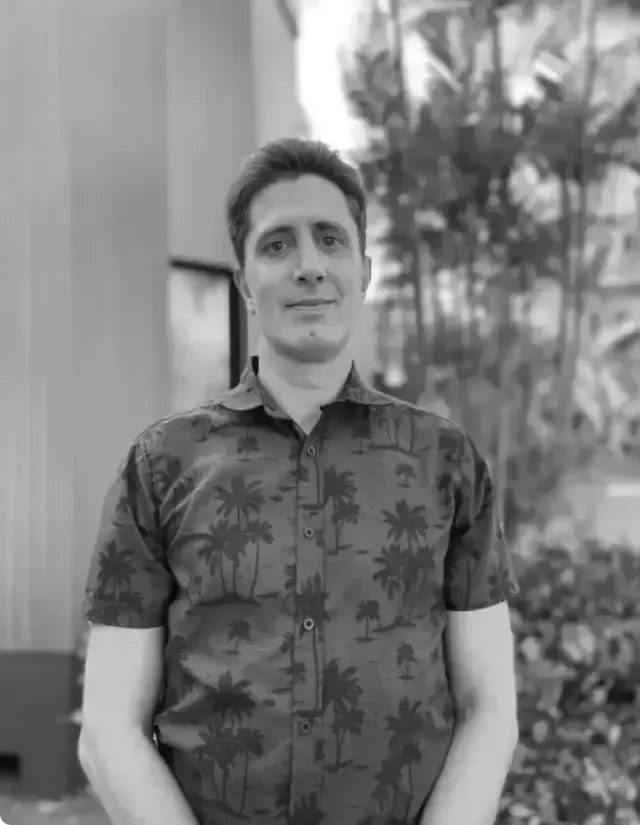
I build products end to end, from APIs and databases to interfaces and deployment, and I'm now pointing that same fullstack lens at security: understanding how systems break, and building software that doesn't.
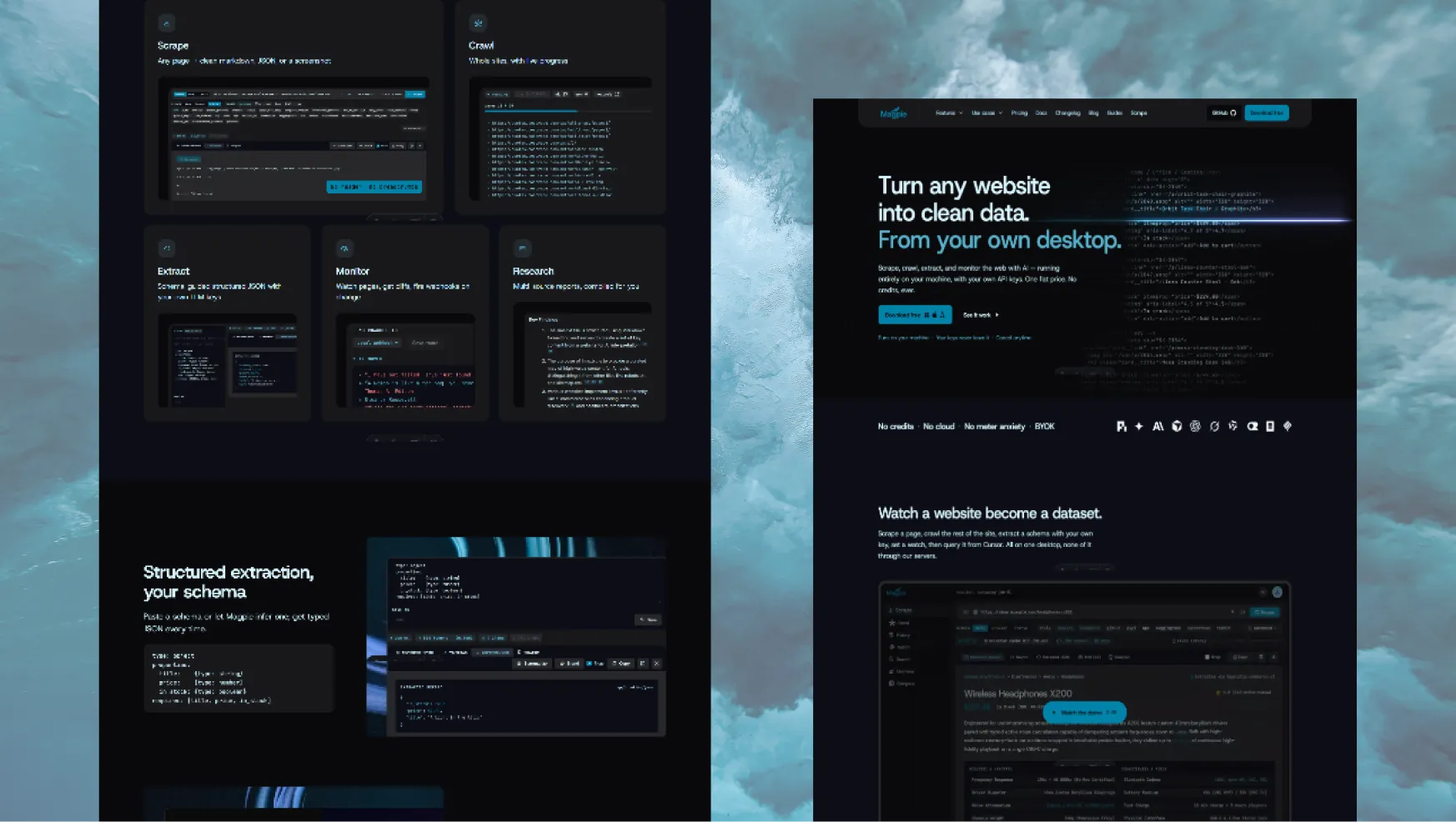
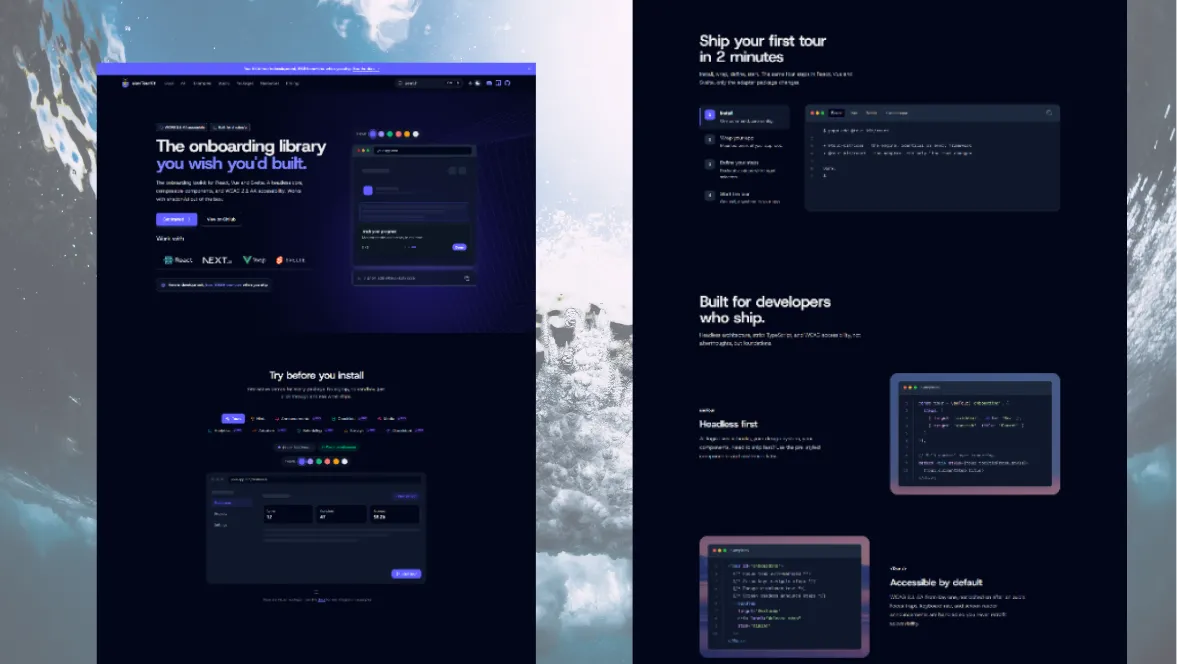
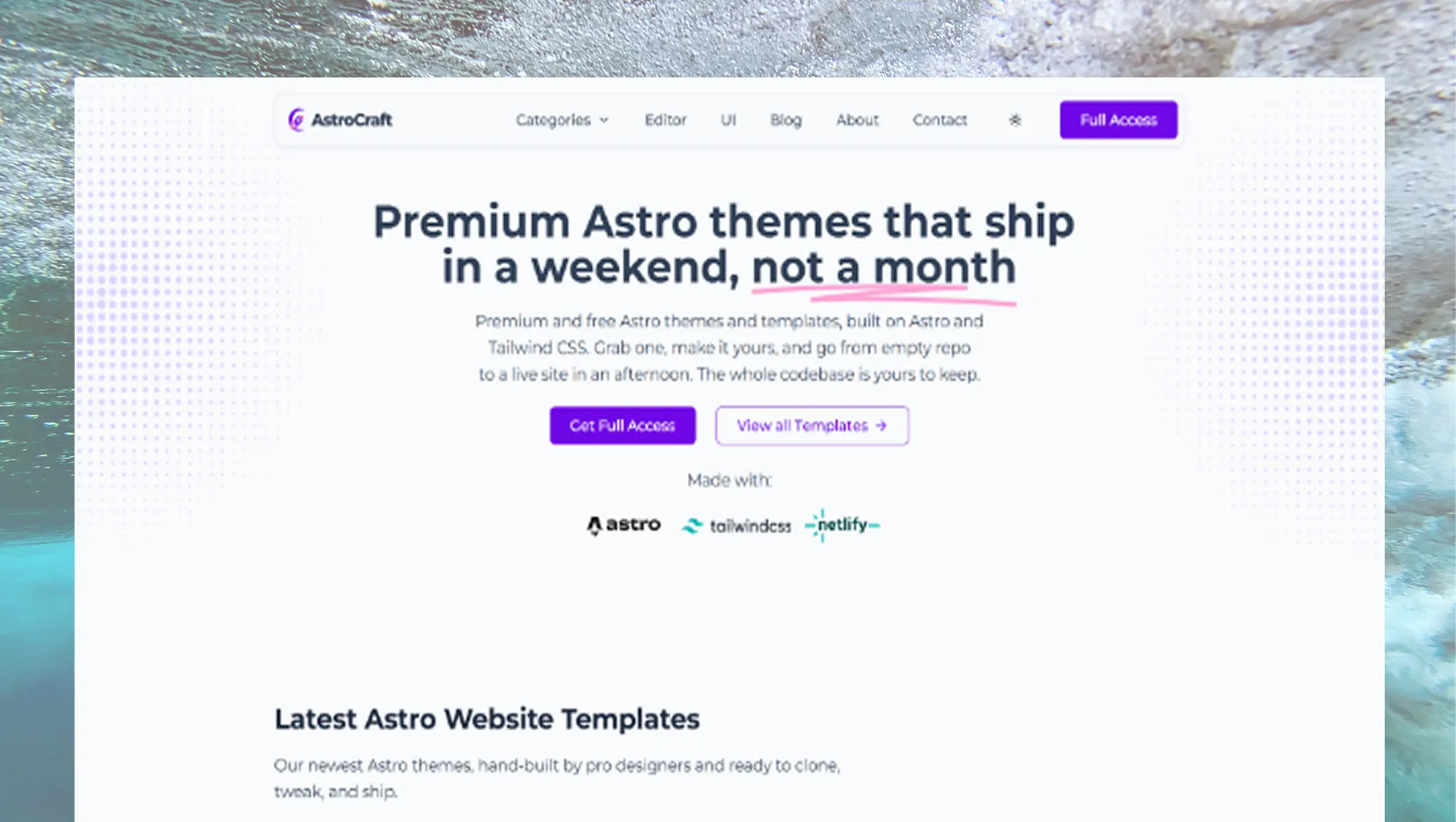
Selected Works
{ /* IN MY WORDS */ }
Quote 1 / 3
“Years of building software teach you exactly how it fails. That's why I'm moving into security, from the builder's side of the table, where the fixes actually land.”

Dominique Degottex,On the move to security
“Fullstack means I own the whole path a request travels, from the button a user taps to the query that touches the database. No handoffs means no seams for bugs or attackers to hide in.”
Dominique Degottex,On fullstack work
“I'd rather ship something small that holds up than something impressive that doesn't. Every project I've published is still running, still maintained, still mine to fix.”
Dominique Degottex,On shipping
WHAT I CAN HELP WITH
Fullstack Web Apps

APIs & Backends


Developer Tooling

Security & Hardening


My stack
- TypeScript
- JavaScript
- Go
- Python
- React
- Next.js
- Astro
- Tailwind CSS
- HTML5
- Node.js
- Wails
- Figma
- PostgreSQL
- SQLite
- Redis
- Terraform
- Bash
- Linux
- Ubuntu
- GitHub
My Process
- Step 01
Understand
Before any code, we talk. What is the product actually for, who uses it, and what does the current solution get wrong. Most builds are won or lost in this first hour.

- Step 02
Architect
I come back with a technical position (stack, data model, boundaries), not ten safe options. One strong architecture we sharpen together beats a proposal you have to referee.

- Step 03
Build
Frontend, backend and infrastructure happen in the same hands, so nothing gets lost in a handoff. You see real, working software early and often, not slide decks.

- Step 04
Ship & Harden
We ship, measure, and refine, and I treat security as part of shipping, not a phase after it. The version that's live in six months matters more than the one that demoed well.

Blog
Notes on building and breaking the web, from a fullstack developer moving into security.
FAQ